
Google Interview Preparation Guide 2026

Introduction
Google is among the most sought-after employers for software engineers, renowned for its high engineering standards. The company emphasizes problem-solving ability, coding proficiency, system design expertise, and cultural alignment (often referred to as ‘Googliness’). This guide provides a clear overview of the interview process, role expectations, and effective preparation strategies.

What Google actually assesses ?
Google hires against four broad attributes:
General Cognitive Ability (problem-solving)
Role-Related Knowledge (RRK): ML/Distributed System/Embedded
Leadership (For Leadership Role)
Googliness / Collaboration & Values
General SWE
A Software Engineer(Gen.) at Google is responsible for designing, developing, testing, and maintaining scalable software systems that impact billions of users worldwide. The role involves solving complex problems in areas such as distributed systems, algorithms, data processing, infrastructure, and user-facing applications. Engineers collaborate in cross-functional teams, write production-quality code, and contribute to the full software development lifecycle. SWE roles are not tied to one product—engineers may work across Search, Ads, Cloud, YouTube, or core infrastructure, depending on business needs and personal fit.
Titles & scope by level
L3 — SWE II (entry / early career): implements solid DS&A solutions, writes production-ready code with review, designs small components. Typical bar: strong coding rounds; no formal system design round for many teams.
L4 — SWE III (mid-level): owns features end-to-end, designs medium systems, improves reliability/perf; system design interview is standard.
L5 — Senior SWE/Team Lead: leads design for multi-service systems, raises bar for code quality, mentors, drives x-team outcomes; deeper system design + leadership signals required.
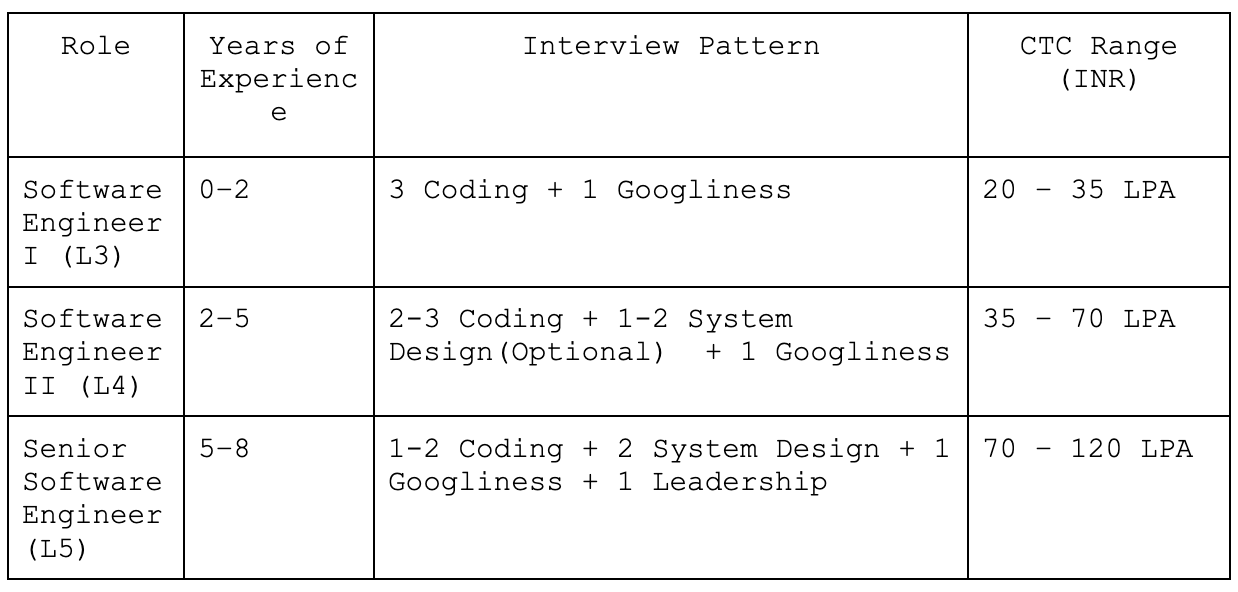
Interview, Pattern and CTC
1. Coding Interview
Objective: Test your data structures, algorithms, and problem-solving abilities.
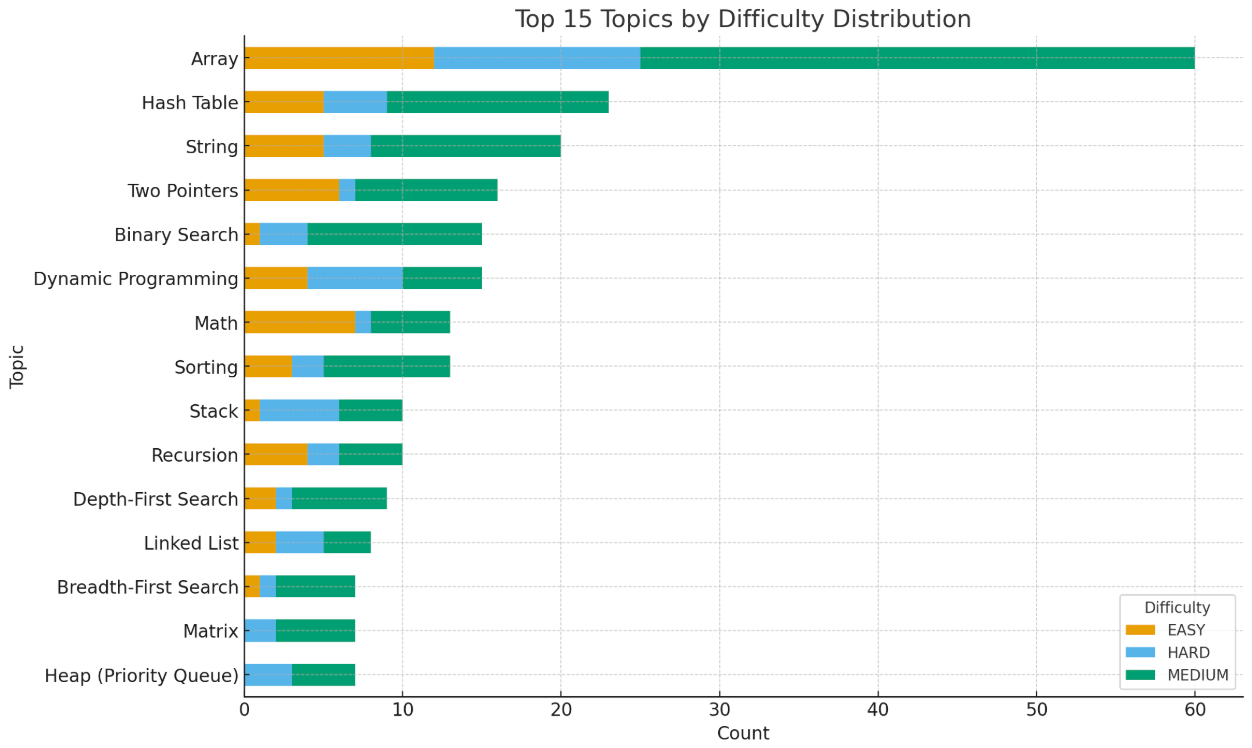
Topics to cover:
Evaluation Metrics
Complex Problem Solving
Gather requirement
Come up with the optimal solution with time and space complexity
Communication and Thought Process
Effectively communicate logic verbally
Capture hints, constraints
Code Quality
Produce production ready code
Edge Case Understanding
Able to come up with the edge case.
Give a dry run and fix code in the failing test case.
Must-Practice Platforms:
Recommended Books:
Cracking the Coding Interview by Gayle Laakmann McDowell
Elements of Programming Interviews (EPI)
Grokking Algorithms (Beginner Friendly)
YouTube Playlists:
2. System Design Interview
Objective: Assess ability to design scalable, maintainable, and efficient systems.
Interview Format:
L4: Low-Level Design (e.g., class diagrams, design patterns)
L5+: Low-Level Design (e.g., class diagrams, design patterns) + High-Level Design (e.g., designing YouTube, Google Maps, etc.)
Evaluation Metrics:
Requirements Analysis
Understanding of basic design skills
Deep Technical Knowledge(Understanding of trade offs)
Technical Leadership(able to lead conversation)(only for L5 & L6 role)
Communication
System Design Basic Concept:
Horizontal Scaling and Vertical Scaling, Consistency Hashing.
CAP Theorem, Eventual Consistency.
API Design, Rate Limiting.
Load Balancing, Caching, Database Choice(SQL vs NoSQL),Database Schema
Microservices, Message Queues (Kafka, RabbitMQ)
Authentication: JWT, OAuth, and SAML
Resources:
Grokking the System Design Interview (Highly Recommended)
ByteByteGo by Alex Xu (Book + Videos)
Youtube LLD(Java): Concept & Coding
YouTube: System Design by Gaurav Sen
3. Googliness / Behavioral Interview
Objective: Assess cultural fit, collaboration, leadership, humility, and ethical decision-making.
Core Principles:
Respect and Inclusion
Intellectual Humility
Comfort with Ambiguity
Bias for Action
Passion for Technology
Innovation and Risk-taking
Evaluation Metrics
Initiative & Ownership
Collaboration & Communication
Googliness (Culture Fit)
Technical Leadership & Initiative(only L5 & L6)
Preparation Resources:
Google’s Leadership Principles – Learn their values
STAR Method (Situation, Task, Action, Result)
Book: Decode and Conquer by Lewis C. Lin
Preparation Strategy
Resume Tailoring – Reflect impact with metrics.
Get your Resume Reviewed - Topmate Resume Review
Mock Coding Interview - Mock Coding Interview Topmate
Mock System Design Interview – Mock System Design Interview
Track Progress – Spreadsheet or Notion for topics & questions.
Daily Practice – Mix of LeetCode + Design + Behavioral
Tips for Success
Clarify before coding – Understand constraints and edge cases.
Communicate your thinking – It’s as important as the code.
Practice whiteboarding (L5+ especially).
For system design, always start high-level, then drill down.
For behavioral, prepare ~8 strong STAR stories and adapt them.
Resource
Resume Tips: Create Your Resume for Google: Tips and Advice
Google Interview Process Google SWE Hiring Process #google #software #hiring
Google SWE Ladder Breaking Down Google’s SWE Ladder: Your Guide to Career Growth in Tech #google #career #hiring
Cracking the Code: Decoding the Google SWE Hiring Process
Google L5 Interview Exp
𝐏𝐫𝐞𝐩𝐚𝐫𝐢𝐧𝐠 𝐟𝐨𝐫 𝐚 𝐂𝐨𝐝𝐢𝐧𝐠 𝐈𝐧𝐭𝐞𝐫𝐯𝐢𝐞𝐰? 𝐇𝐞𝐫𝐞’𝐬 𝐰𝐡𝐚𝐭 𝐲𝐨𝐮 𝐧𝐞𝐞𝐝 𝐭𝐨 𝐤𝐧𝐨𝐰!
The Google Coding Interview: A Unique and Challenging Experience
Frequently Asked Questions [FAQs]
Hiring Process
𝐃𝐨𝐞𝐬 𝐚 𝐂𝐚𝐫𝐞𝐞𝐫 𝐆𝐚𝐩 𝐈𝐦𝐩𝐚𝐜𝐭 𝐇𝐢𝐫𝐢𝐧𝐠 𝐏𝐨𝐭𝐞𝐧𝐭𝐢𝐚𝐥 𝐚𝐭 𝐁𝐢𝐠 𝐓𝐞𝐜𝐡 𝐂𝐨𝐦𝐩𝐚𝐧𝐢𝐞𝐬?
Back in 2022, a friend of mine had spent three years preparing for the UPSC exams but didn’t make it and wanted to re-enter the private sector. With limited programming skills and looking to restart his career, I helped him devise a plan focusing on one full-stack technology, data structures and algorithms, and problem-solving.In just six months, he managed to secure a couple of offers and joined a startup. After three months there, he successfully cracked an Amazon interview. During the behavioral round, he faced questions about his career break and chose to answer honestly.
Key Takeaways:
𝘈 𝘤𝘢𝘳𝘦𝘦𝘳 𝘨𝘢𝘱 𝘥𝘰𝘦𝘴𝘯’𝘵 𝘯𝘦𝘤𝘦𝘴𝘴𝘢𝘳𝘪𝘭𝘺 𝘪𝘮𝘱𝘢𝘤𝘵 𝘺𝘰𝘶𝘳 𝘱𝘳𝘰𝘴𝘱𝘦𝘤𝘵𝘴, 𝘦𝘴𝘱𝘦𝘤𝘪𝘢𝘭𝘭𝘺 𝘪𝘧 𝘺𝘰𝘶 𝘩𝘢𝘷𝘦 𝘭𝘦𝘴𝘴 𝘦𝘹𝘱𝘦𝘳𝘪𝘦𝘯𝘤𝘦 𝘢𝘯𝘥 𝘢𝘳𝘦 𝘴𝘵𝘢𝘳𝘵𝘪𝘯𝘨 𝘢𝘴 𝘢𝘯 𝘚𝘋𝘌 1.
𝘍𝘰𝘤𝘶𝘴 𝘰𝘯 𝘴𝘦𝘤𝘶𝘳𝘪𝘯𝘨 𝘺𝘰𝘶𝘳 𝘧𝘪𝘳𝘴𝘵 𝘫𝘰𝘣 𝘸𝘪𝘵𝘩𝘰𝘶𝘵 𝘸𝘰𝘳𝘳𝘺𝘪𝘯𝘨 𝘵𝘰𝘰 𝘮𝘶𝘤𝘩 𝘢𝘣𝘰𝘶𝘵 𝘵𝘩𝘦 𝘱𝘢𝘺 𝘨𝘢𝘱.
𝘗𝘳𝘢𝘤𝘵𝘪𝘤𝘢𝘭 𝘦𝘹𝘱𝘦𝘳𝘪𝘦𝘯𝘤𝘦, 𝘦𝘷𝘦𝘯 𝘧𝘳𝘰𝘮 𝘢 𝘴𝘩𝘰𝘳𝘵 𝘴𝘵𝘪𝘯𝘵, 𝘤𝘢𝘯 𝘴𝘪𝘨𝘯𝘪𝘧𝘪𝘤𝘢𝘯𝘵𝘭𝘺 𝘦𝘯𝘩𝘢𝘯𝘤𝘦 𝘺𝘰𝘶𝘳 𝘱𝘳𝘰𝘧𝘪𝘭𝘦.
Coding Interview
𝐖𝐡𝐢𝐜𝐡 𝐩𝐫𝐨𝐠𝐫𝐚𝐦𝐦𝐢𝐧𝐠 𝐥𝐚𝐧𝐠𝐮𝐚𝐠𝐞 𝐰𝐢𝐥𝐥 𝐡𝐞𝐥𝐩 𝐭𝐨 𝐜𝐫𝐚𝐜𝐤 𝐭𝐡𝐞 𝐆𝐨𝐨𝐠𝐥𝐞 𝐢𝐧𝐭𝐞𝐫𝐯𝐢𝐞𝐰?
Google prefers general-purpose programming languages like C++, Java, Python and Go, but they are comfortable accommodating candidates’ needs regarding programming languages.
𝘔𝘺 𝘙𝘦𝘤𝘰𝘮𝘮𝘦𝘯𝘥𝘢𝘵𝘪𝘰𝘯:
𝘊𝘩𝘰𝘰𝘴𝘦 𝘵𝘩𝘦 𝘭𝘢𝘯𝘨𝘶𝘢𝘨𝘦 𝘺𝘰𝘶 𝘢𝘳𝘦 𝘮𝘰𝘴𝘵 𝘤𝘰𝘮𝘧𝘰𝘳𝘵𝘢𝘣𝘭𝘦 𝘸𝘪𝘵𝘩.
𝘍𝘰𝘳 𝘉𝘦𝘨𝘪𝘯𝘯𝘦𝘳𝘴: 𝘊𝘩𝘰𝘰𝘴𝘦 𝘢𝘯 𝘦𝘢𝘴𝘺 𝘭𝘢𝘯𝘨𝘶𝘢𝘨𝘦 𝘭𝘪𝘬𝘦 𝘗𝘺𝘵𝘩𝘰𝘯.
𝘍𝘰𝘳 𝘌𝘹𝘱𝘦𝘳𝘪𝘦𝘯𝘤𝘦𝘥: 𝘊𝘩𝘰𝘰𝘴𝘦 𝘢 𝘭𝘢𝘯𝘨𝘶𝘢𝘨𝘦 𝘢𝘤𝘤𝘰𝘳𝘥𝘪𝘯𝘨 𝘵𝘰 𝘺𝘰𝘶𝘳 𝘤𝘢𝘳𝘦𝘦𝘳 𝘨𝘰𝘢𝘭𝘴. 𝘍𝘰𝘳 𝘦𝘨: 𝘋𝘢𝘵𝘢 𝘚𝘤𝘪𝘦𝘯𝘤𝘦, 𝘈𝘐, 𝘢𝘯𝘥 𝘔𝘓: 𝘗𝘳𝘦𝘧𝘦𝘳 𝘗𝘺𝘵𝘩𝘰𝘯; 𝘌𝘯𝘵𝘦𝘳𝘱𝘳𝘪𝘴𝘦 𝘈𝘱𝘱𝘭𝘪𝘤𝘢𝘵𝘪𝘰𝘯𝘴 : 𝘗𝘳𝘦𝘧𝘦𝘳 𝘑𝘢𝘷𝘢.
Learning the basics of a new language should not take more than 2 months.
𝐇𝐨𝐰 𝐦𝐮𝐜𝐡 𝐜𝐨𝐝𝐢𝐧𝐠 𝐢𝐬 𝐧𝐞𝐞𝐝𝐞𝐝 𝐭𝐨 𝐜𝐫𝐚𝐜𝐤 𝐚𝐧 𝐢𝐧𝐭𝐞𝐫𝐯𝐢𝐞𝐰 𝐚𝐭 𝐆𝐨𝐨𝐠𝐥𝐞?
Coming to an exact number of problems solved is really hard as different individuals have different learning curves, but I can give you a high-level framework:
𝘔𝘺 𝘙𝘦𝘤𝘰𝘮𝘮𝘦𝘯𝘥𝘢𝘵𝘪𝘰𝘯:
I𝘧 𝘺𝘰𝘶 𝘩𝘢𝘷𝘦 𝘵𝘰𝘶𝘤𝘩𝘦𝘥 𝘦𝘷𝘦𝘳𝘺 𝘥𝘢𝘵𝘢 𝘴𝘵𝘳𝘶𝘤𝘵𝘶𝘳𝘦 𝘢𝘯𝘥 𝘢𝘭𝘨𝘰𝘳𝘪𝘵𝘩𝘮 𝘢𝘯𝘥 𝘺𝘰𝘶 𝘢𝘳𝘦 𝘢𝘣𝘭𝘦 𝘵𝘰 𝘴𝘰𝘭𝘷𝘦 2 𝘮𝘦𝘥𝘪𝘶𝘮 𝘰𝘳 1 𝘩𝘢𝘳𝘥 𝘯𝘦𝘸 (𝘺𝘰𝘶 𝘩𝘢𝘷𝘦𝘯’𝘵 𝘴𝘦𝘦𝘯 𝘺𝘦𝘵) 𝘱𝘳𝘰𝘣𝘭𝘦𝘮 𝘪𝘯 1 𝘩𝘰𝘶𝘳, 𝘺𝘰𝘶 𝘤𝘢𝘯 𝘤𝘰𝘯𝘴𝘪𝘥𝘦𝘳 𝘺𝘰𝘶𝘳𝘴𝘦𝘭𝘧 𝘳𝘦𝘢𝘥𝘺 𝘧𝘰𝘳 𝘵𝘩𝘦 𝘪𝘯𝘵𝘦𝘳𝘷𝘪𝘦𝘸.”
Thank you for this resource, it is very useful and upto the point.
Thank you so much for sharing this. I really appreciate it.
I have one doubt regarding the last line you mentioned: “If you are able to solve 2 medium or 1 hard new (you haven’t seen yet) problem in 1 hour.”
In my case, sometimes I am able to solve such problems, but sometimes the question is completely new and I am not able to relate it to any of the problems I’ve solved before. In those situations, I’m unable to solve it within an hour.
What should I do in such cases? Thanks again for the great share.*